

Sign Up!
History of Irish Language:
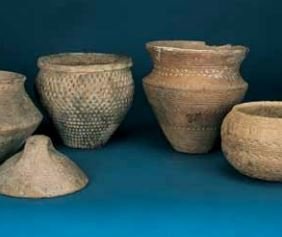
Indo-Europeans Come to Ireland
~2500–2000 BCThe Indo-European Beaker culture, associated with the Bronze Age, is believed to have reached Ireland around 2500 BCE. Archaeological evidence suggests that these people brought distinctive bell-shaped beakers, metalworking skills, and cultural practices.
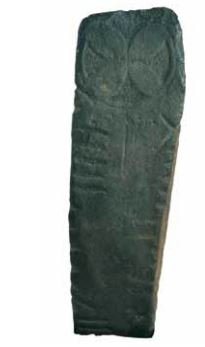
Primitive Irish
~300–600 ADThe earliest form of the Goidelic Celtic language spoken in Ireland, evolving into Old Irish and forming the foundation of medieval Irish literature.
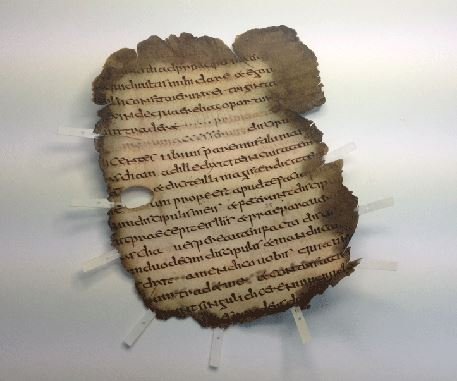
Old Irish
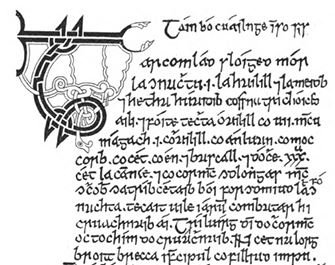
~500–900 ADThe earliest recorded form of the Goidelic Celtic language in Ireland. It is notable for its rich literary tradition, with manuscripts such as the "Táin Bó Cúailnge" showcasing the epic tales and sagas that have significantly contributed to Ireland's early medieval cultural identity.
Middle Irish
~900–1200Middle Irish emerged around the 10th century and persisted until the 12th to 13th centuries. During this period, it became the dominant Gaelic language in Ireland and played a crucial role in the development of Irish literature, including the famous sagas and the transition from the oral tradition to written manuscripts.
Early Modern Irish
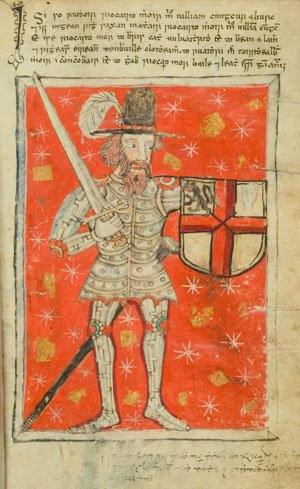
~1200s–1700sIn the Early Modern Irish period, the language evolved, influencing a unique literary tradition. Noteworthy works, like the translation of the Bible into Irish, marked linguistic developments, setting the stage for later changes and the Gaelic Revival in the 19th and 20th centuries.
Cromwell's Conquest of Ireland
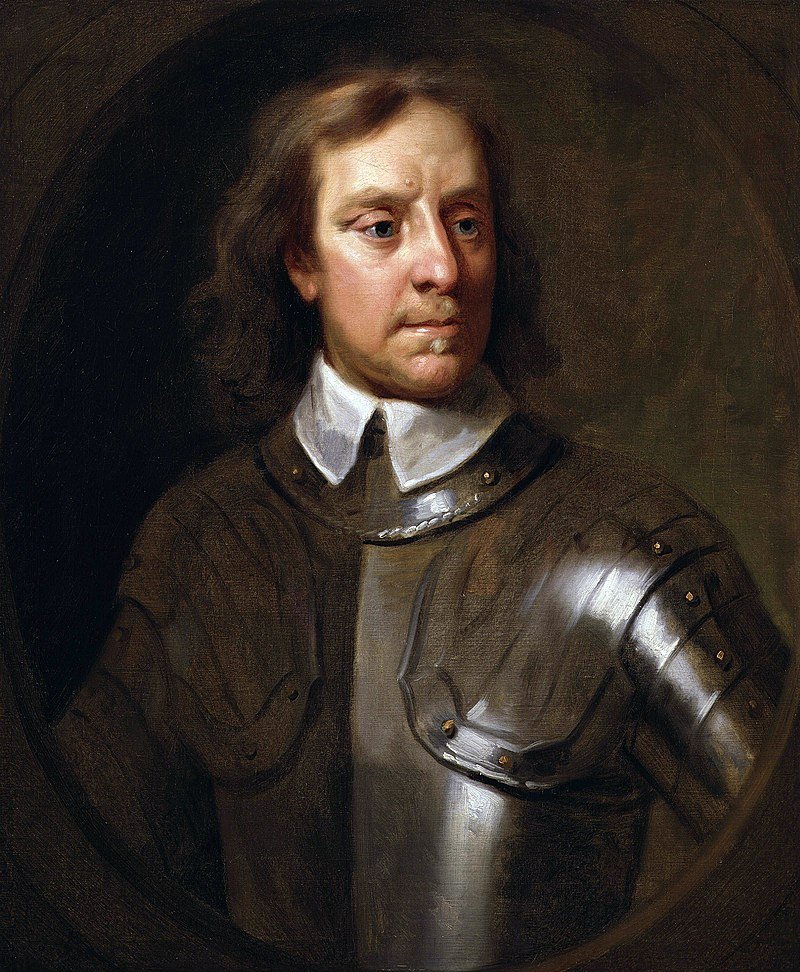
1649–1653Cromwell's conquest of Ireland in the mid-17th century had a significant impact on the Irish language. The brutal campaign led to the confiscation of land and the imposition of harsh penalties on the Catholic majority, contributing to the decline of Irish as a spoken language. The loss of economic and political power for the Irish-speaking population further marginalized the language, accelerating its decline in the subsequent centuries.
Daniel O'Connell
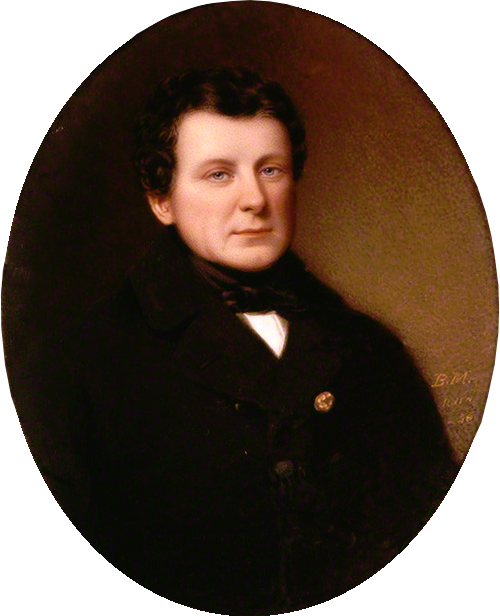
1775–1847Daniel O'Connell, a prominent 19th-century political leader in Ireland, was focused on advocating for the political and civil rights of the Catholic population. Unlike some later cultural movements, O'Connell did not prioritize the promotion of the Irish language. Instead, he pragmatically supported the use of English as a means of integration for Irish Catholics into broader society.
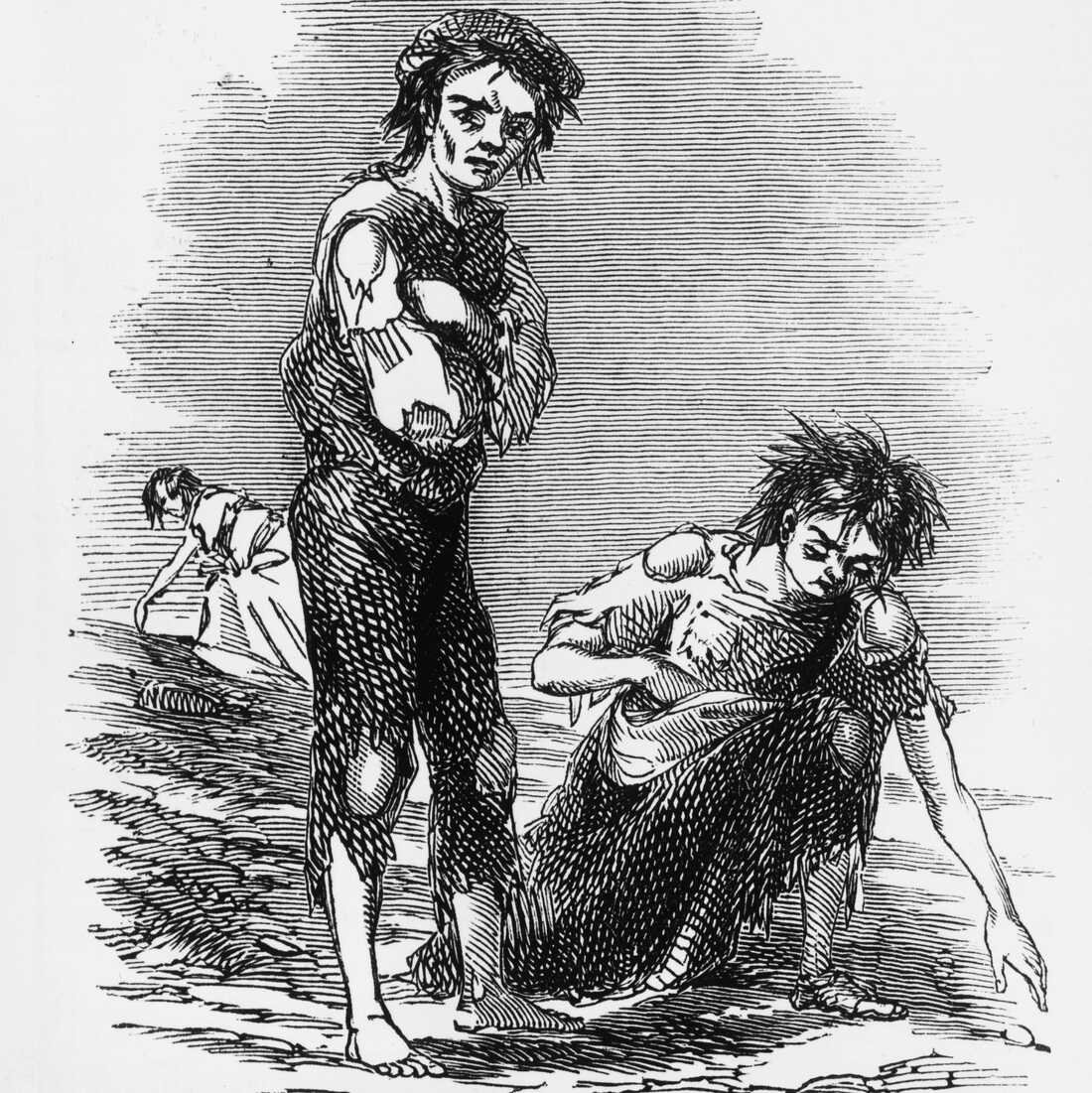
The Great Famine
1845–1852The Great Famine in Ireland had a devastating impact on the population, causing mass death and migration. The profound socioeconomic changes that followed, including widespread poverty and disruption of traditional communities, contributed to the decline of the Irish language, as many native speakers were affected, and English became increasingly dominant in the post-famine era.
The Gaelic League
1893The Gaelic League played a pivotal role in the revival of the Irish language and cultural identity. Through language classes, cultural activities, and advocacy, the league aimed to promote Irish as a spoken language and foster a sense of national pride, significantly contributing to the revitalization of the Irish language during the late 19th and early 20th centuries.

Irish War of Independence
1919–1921The Irish War of Independence marked a crucial chapter in Irish history, as the struggle for independence from British rule intensified. The political upheaval during this period fueled a renewed interest in Irish identity, including the language, as efforts were made to establish Irish as the official language of the newly-formed Irish Free State, emphasizing its cultural and linguistic significance.